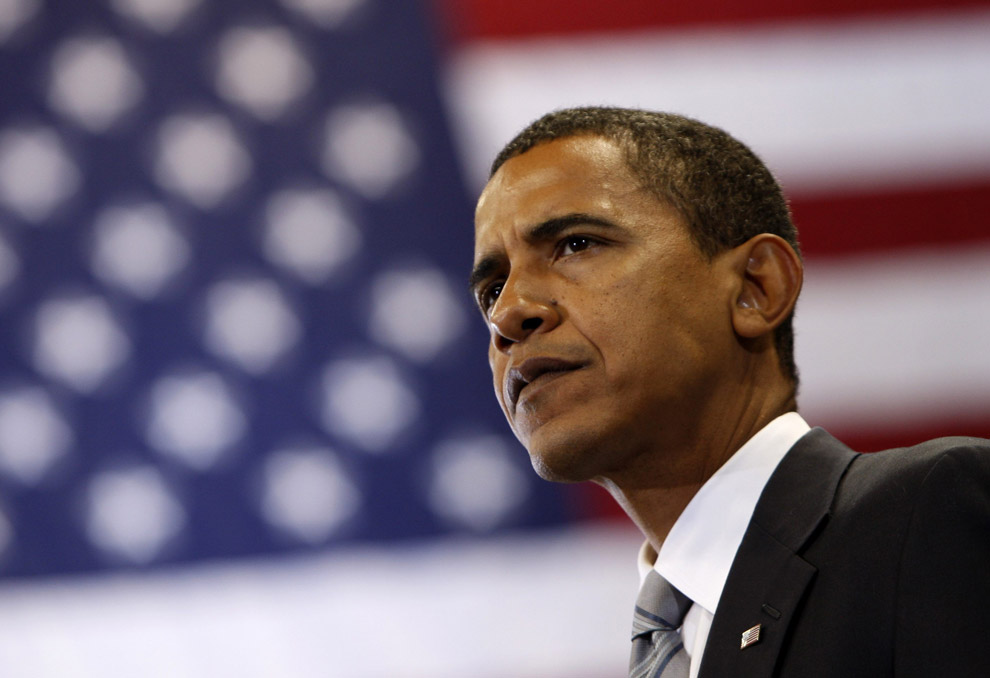
After emerging victorious on U.S presidential election-2012, defeating the challenger from Republican Party, Mitt Romney, U.S president’s second term in the White House is expected to bring optimism in overall economic outlook of U.S and to the entire global economy in next four year time.
Considering domestic agenda of United States, the White House has estimated to create 1 million new jobs in the manufacturing sector by the end of 2016. Moving on to tax measures, the policy is set to provide liberal tax measures to encourage firms to relocate production to the U.S. In addition to employment and tax reforms, focus on major infrastructure projects is also on the main agenda of the president.
Increase in investment in education sector, research, technology and training to enhance manpower and resources for the economic well being of the nation is also taken as a serious issue for the presidential term. Considering the need and requirement of educational sector and boost the strength, the term aims to recruit around 100K new science teachers/resources.
As the deficit has been troubling U.S since the turmoil of financial system from the beginning of 2008, the policy is set to cut the U.S deficit by 4 trillion dollars over the next 10 years from now. With the increase in industrialization and economic boost, as the consumption of energy including crude oil, gasoline and demand for other forms of energy are expected to rise; the President’s second term plans to halve the energy imports by 2020 by investing in gas and oil production and subsequently clean energy production.
As tax has been the major issue of debate since the starting of presidential election run, the White House plans to ensure that millionaires obviously pay more tax than middle-class families, which was expected by most of the Americans. In addition, the term plans to expand access to medical insurance and reduce health costs to individuals, eventually increasing the health benefits by around 10 percent with focus on cost effectiveness in health services.
In foreign policies, the main agendas for the presidential term can be addressing unfair trade conditions with China, end military engagement in Afghanistan by 2014, stop Iran from acquiring nuclear weapons and other related issues affecting geo-political environment. Further, reform in immigration policy by 2013, encouraging and supporting same sex marriage, defend the right to abortion and launching a national debate on gun control are other believed major agendas of the White House for coming four years of presidential term.
| 


 18 Visit(s)
